How Car Key Replacement Works by Make and Model
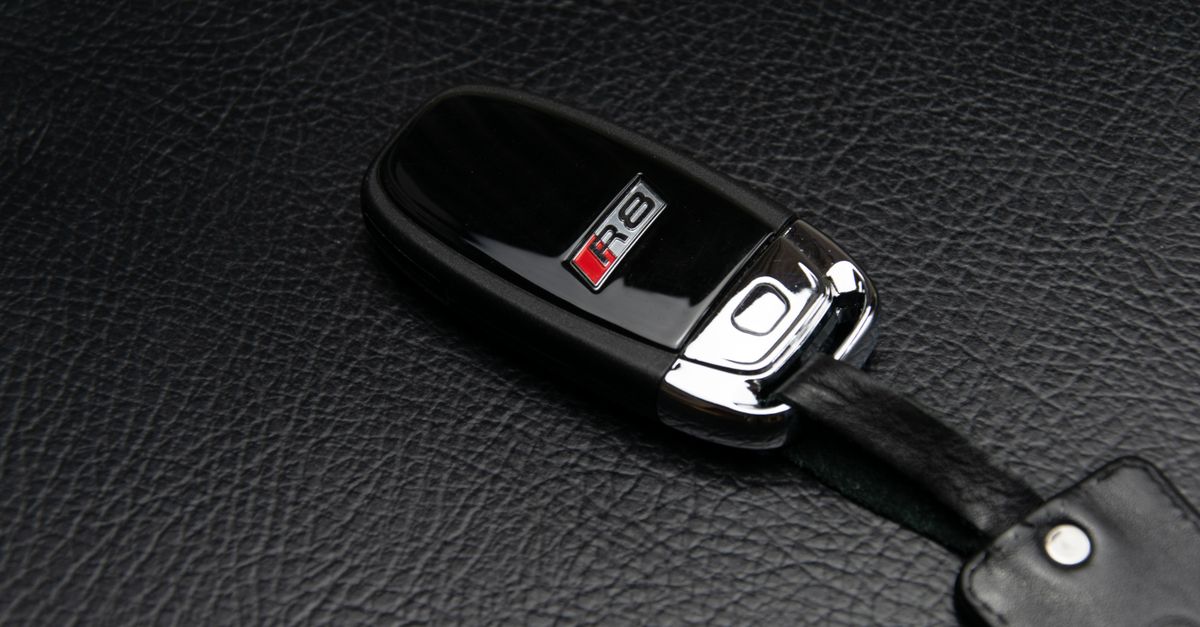
Not every vehicle key is replaced the same way, and the process varies significantly depending on whether you drive a domestic truck, a Japanese import, a European sedan, or a late-model SUV with a proximity push-to-start system. For most vehicles manufactured after the mid-1990s, a replacement key involves two distinct steps: precision cutting of the key blade to match your door and ignition lock, and electronic programming to sync the transponder chip or smart key with your vehicle's immobilizer or body control module. Skip either step and the key won't work — a correctly cut but unprogrammed key will crank the ignition but the engine won't start; a programmed fob without a correctly cut blade won't open the door mechanically if the battery dies.
Our technicians carry an inventory of key blanks and fob shells for a broad range of popular vehicles — including Ford, GM, Toyota, Honda, Nissan, Chrysler, Jeep, Hyundai, Kia, Subaru, Volkswagen, BMW, and more — along with the proprietary and universal programming tools required to write new key data directly to your vehicle's system. For high-security models that use laser-cut (sidewinder) keys, we use precision cutting equipment capable of matching the exact milling pattern your vehicle requires. The specific make, model, year, and key type all factor into the final quote, along with travel distance and time of service — but you'll always know the exact cost before we start.